
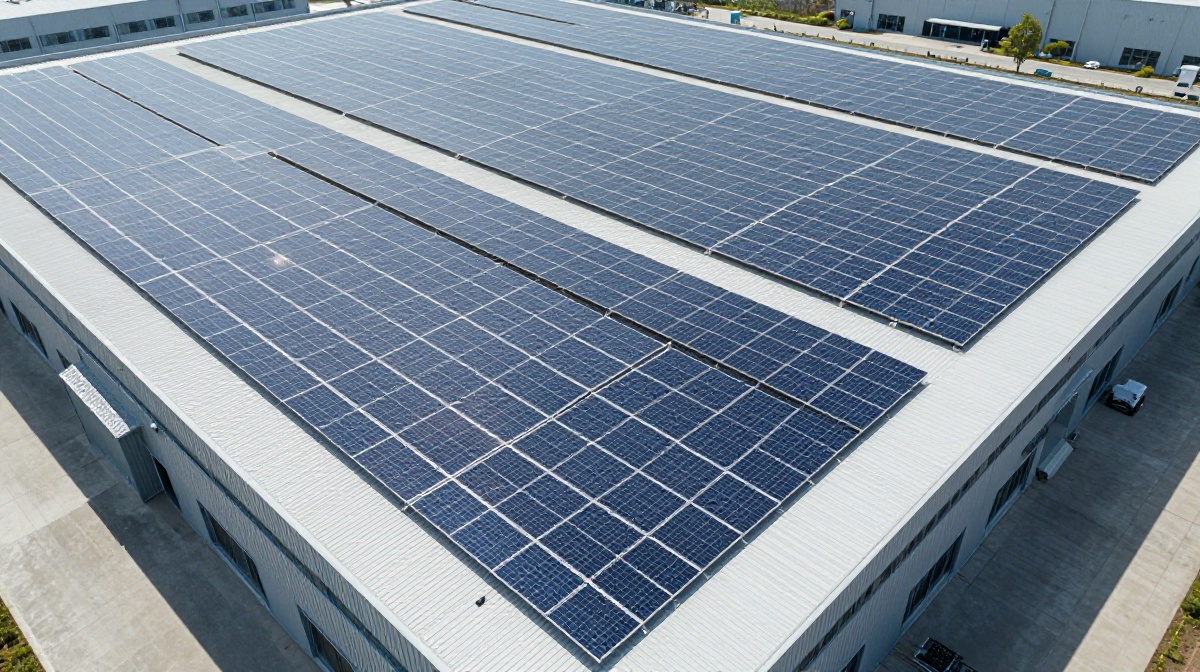
Why solar power is finally making sense for Glasgow homeowners
There is an old joke that if you can see the Campsie Fells, it is about to rain, and if you cannot see them, it is already raining. For years, this perception of the West of Scotland weather made many people dismiss the idea of solar energy entirely. However, the technology has moved on significantly, and the conversation in local pubs and coffee shops has shifted from mocking the weather to discussing how to combat eye-watering energy bills. The truth is that modern photovoltaic (PV) panels do not actually need direct, scorching sunshine to generate electricity; they simply need daylight. Even on a typical overcast afternoon in the West End or the Southside, solar systems are hard at work converting diffuse light into usable power for your home.
The surge in interest has led to a growing number of people searching for reliable Solar installers Glasgow to help them transition away from total reliance on the National Grid. With energy prices remaining volatile, the prospect of generating your own clean energy is no longer just an environmental choice; it is a pragmatic financial strategy. When you consider the long-term savings and the potential to add value to your property, it becomes clear why so many rooftops from Bearsden to Giffnock are now sporting shimmering blue and black panels.
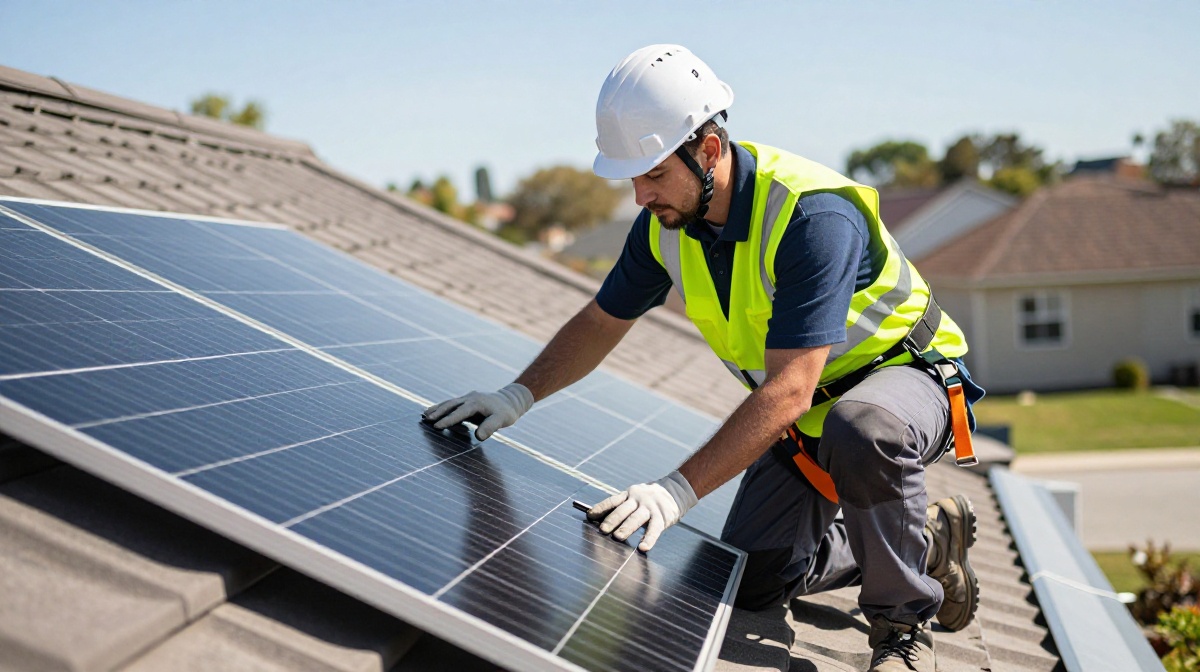
The reality of solar performance in the West of Scotland
It is important to be realistic about what solar can do in a city known for its grey skies. While a house in Glasgow might not produce as much raw energy as one in the south of France, the efficiency of modern monocrystalline panels is quite remarkable. These panels are specifically designed to capture a broad spectrum of light, meaning they still perform admirably during the shorter, cloudier days of a Scottish winter. Furthermore, the cooler temperatures in Scotland can actually be a benefit, as solar panels tend to operate more efficiently when they are not overheating.
When you start looking for experts to handle your project, you will find that the best professionals will provide you with a detailed performance estimate based on your specific roof orientation and shading. Because Glasgow has a diverse mix of architecture—from Victorian red sandstone tenements to modern detached villas—every installation requires a bespoke approach. A professional team will look at the pitch of your roof and ensure that any nearby trees or chimneys do not cast shadows that could significantly hinder your energy production.
What to look for in a reputable installation team
Choosing the right people to climb onto your roof and wire up your home is a big decision. You want a team that understands the local building regulations and the specific challenges of the Scottish climate. Here are some essential things to check before you sign any contracts:
- MCS Certification: The Microgeneration Certification Scheme (MCS) is the industry standard. Without this, you likely will not be able to access government grants or sell your excess electricity back to the grid.
- Local Knowledge: A team familiar with Glasgow’s housing stock will know how to handle different roofing materials, whether it is traditional slate or modern concrete tiles.
- Insurance-Backed Guarantees: This ensures that your warranty remains valid even if the installation company ceases trading in the future.
- Transparent Pricing: Avoid any company that uses high-pressure sales tactics or refuses to give you a detailed breakdown of costs.
Understanding the financial incentives and savings
One of the biggest drivers for the recent boom in solar installations is the financial support available to Scottish homeowners. Unlike other parts of the UK, Scotland often has access to specific funding through Home Energy Scotland, backed by the Scottish Government. This can include interest-free loans or even grants that significantly reduce the initial capital required to get a system up and running. When you speak with experienced solar installers Glasgow, they should be able to guide you through the current landscape of available funding.
Beyond the initial setup costs, there is the Smart Export Guarantee (SEG). This is a scheme where energy suppliers pay you for the renewable electricity you generate but do not use, which gets exported back to the grid. While the rates vary between suppliers, it provides a steady trickle of income that helps the system pay for itself over time. When combined with the immediate reduction in your monthly electricity bill, the return on investment becomes much more attractive than leaving that same money in a low-interest savings account.
Why battery storage is a game changer for Glasgow
In the past, the main drawback of solar was that you had to use the power as it was being generated. For most families, who are out at work or school during the day, this meant much of the energy was wasted or sent back to the grid for a low price. The introduction of affordable home battery storage has completely changed this dynamic. By adding a battery to your solar array, you can store the energy generated during the day and use it in the evening to power your lights, television, and appliances.
For a city like Glasgow, where the sun might duck behind a cloud for three hours and then shine brightly for two, a battery acts as a buffer. It smooths out the supply and ensures that you are maximising your self-consumption. Many local homeowners find that with a well-sized battery, they can become 70% to 80% self-sufficient during the brighter months of the year. This level of independence from the grid provides a sense of security and protection against future energy price hikes.
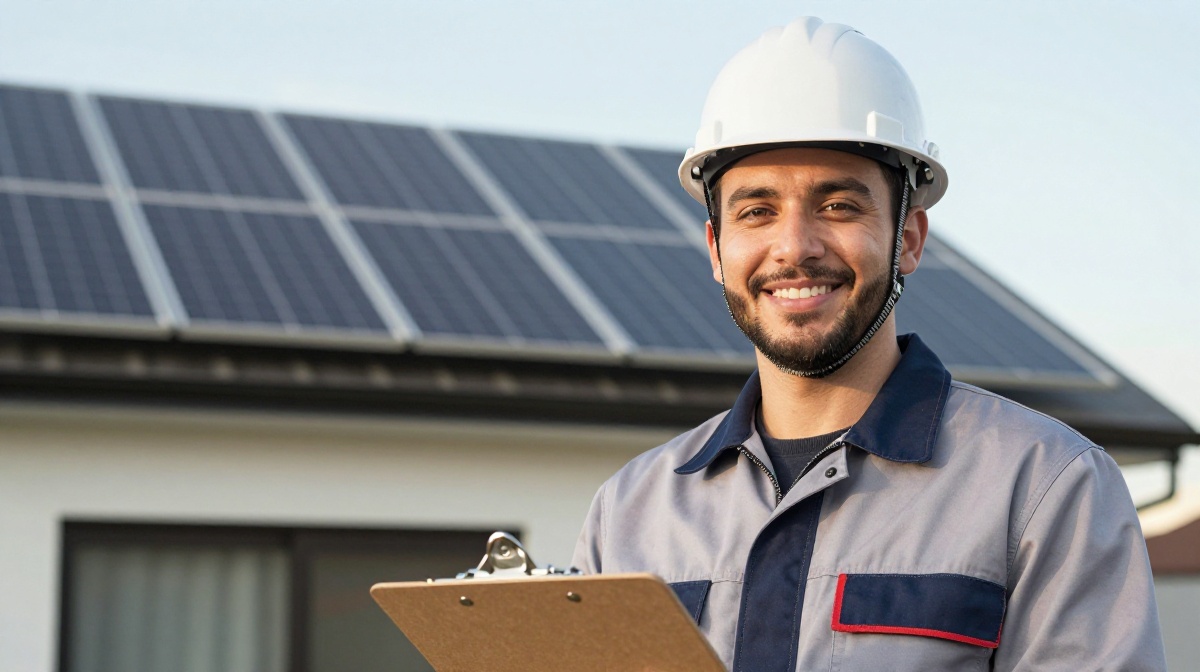
The process of getting solar panels installed
If you have decided to take the plunge, the process is usually more straightforward than people expect. It typically begins with a site survey where a technician will assess your roof’s condition and take measurements. They will also look at your current fuse board and electrical setup to see if any upgrades are required to handle the new solar input. Most of the work happens outside, so there is minimal disruption to your daily life inside the house.
The actual installation usually takes just one or two days. Scaffolding is erected to ensure the safety of the workers, and the mounting system is secured to your roof rafters. Once the panels are in place, the wiring is fed into your loft space and down to the inverter, which is the “brain” of the system that converts the raw solar energy into electricity your home can use. After a final round of testing and the handover of your MCS certificate, you are ready to start generating your own green power.
Long-term maintenance and peace of mind
One of the best things about solar PV systems is that they have no moving parts, which makes them incredibly low maintenance. In a place like Glasgow, the frequent rainfall actually does a fairly good job of keeping the panels clean and free of dust or debris. However, it is still a good idea to have a professional check the system every few years to ensure everything is operating at peak efficiency. Most reputable installers offer a maintenance package or can recommend a local service to keep an eye on things.
- Monitoring Apps: Most modern systems come with a smartphone app that allows you to see exactly how much power you are generating in real-time.
- Inverter Lifespan: While panels often last 25 to 30 years, the inverter might need replacing after 10 to 12 years, so it is worth budgeting for this in the long term.
- Bird Protection: In some parts of the city, pigeons can be a nuisance by nesting under the panels. Many installers now offer mesh “pigeon proofing” as an optional extra to prevent this.
As we move toward a more electrified future, with more of us driving electric vehicles and installing heat pumps, the demand for home-grown energy is only going to increase. Taking the step to install solar panels today is a way of future-proofing your home and taking control of your own energy destiny. It is about making your property more resilient, more sustainable, and ultimately, more affordable to run for decades to come.

Mckinley is a cybersecurity analyst and writer who explores the ethical implications of online tracking, data privacy, and digital security practices.